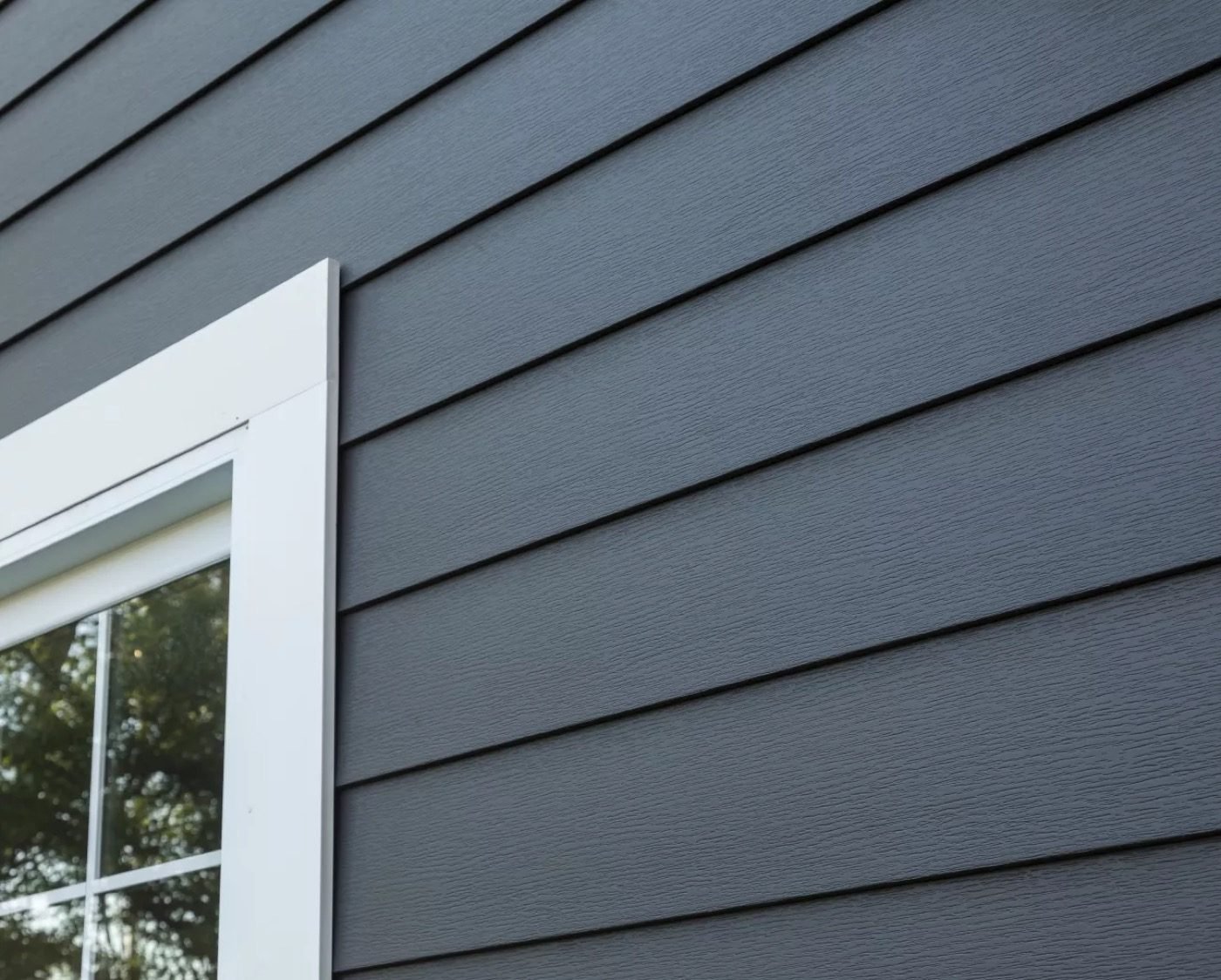
Serving Blue Bell, PA and all surrounding areas across PA, NJ & Delaware — Free inspections available.
Engineered composite and cellular PVC siding systems — the premium, low-maintenance alternative to natural wood siding across PA, NJ & Delaware.
Composite and PVC siding systems are engineered exterior cladding options designed to provide a balance between appearance, durability, and low maintenance. Across PA, NJ, and Delaware, they are chosen by property owners who want a high-end finished look without the ongoing upkeep required by natural wood.
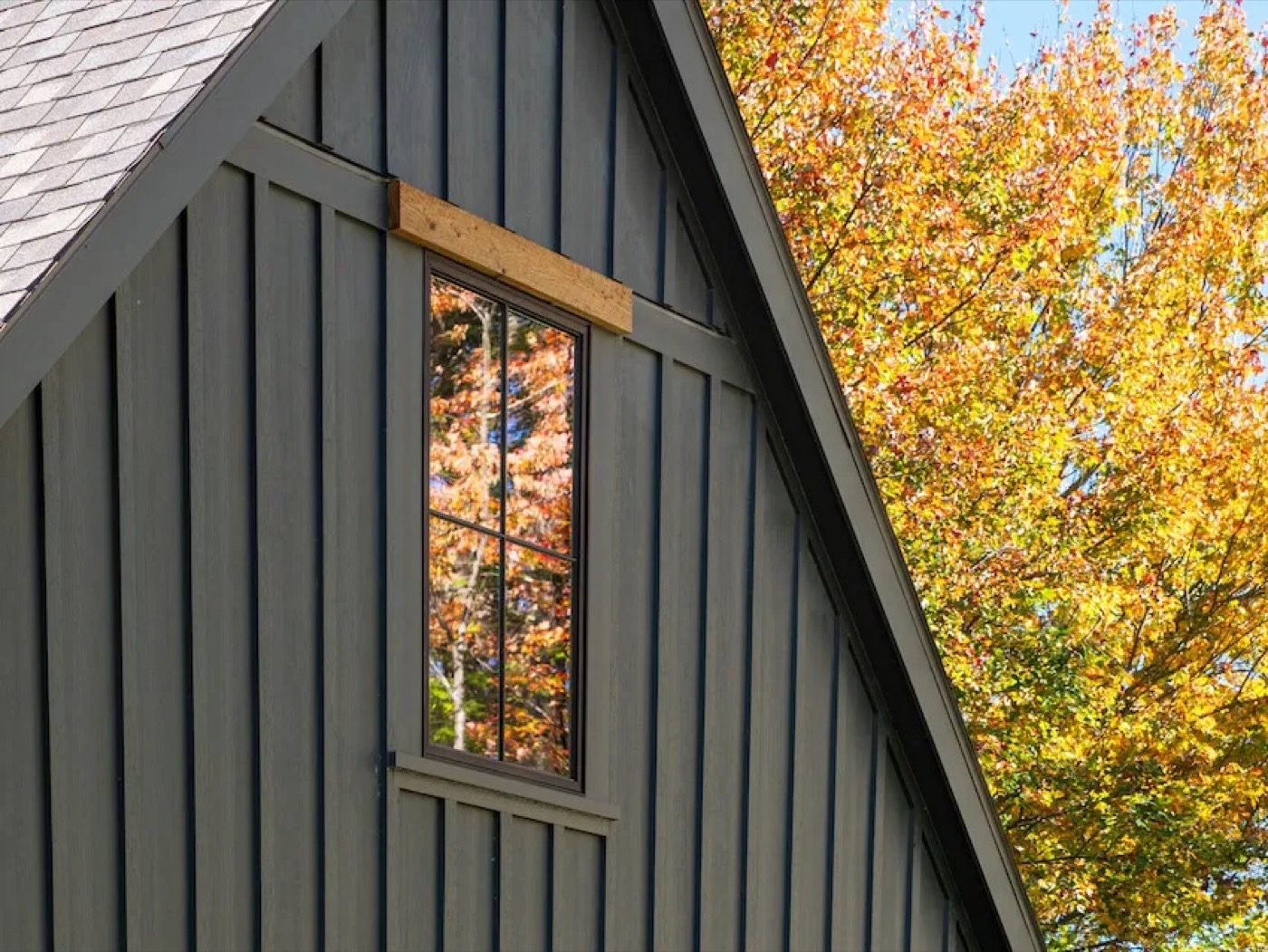
These materials — which may include cellular PVC, engineered wood composites, or polymer-based compounds — are built to resist moisture absorption, rot, insect damage, and long-term deterioration. They replicate the appearance of natural wood, including grain patterns and textures, while maintaining a more stable structure over time.
Composite and PVC siding typically sit between vinyl and fiber cement in terms of cost and performance — offering greater dimensional stability than vinyl and lower maintenance requirements than natural wood, making them an attractive option for property owners looking for a refined, durable exterior system.
| Feature | Vinyl Siding | Composite / PVC | Fiber Cement |
|---|---|---|---|
| Appearance | Standard | Premium, wood-like | Premium, architectural |
| Maintenance | Low | Very low | Low (if factory finished) |
| Moisture resistance | Good | Excellent | Good (when sealed) |
| Lifespan | 20–40 yrs | 25–40+ yrs | 30–50+ yrs |
| Cost | $ | $$ | $$$ |
Every project begins with a full evaluation of the existing exterior. Where necessary, existing siding is removed to expose the structure and address any hidden issues before new materials are installed.
The wall sheathing is inspected and repaired where needed. A solid, level substrate ensures the composite or PVC panels install cleanly and perform as designed.
A weather-resistant barrier is installed over the structure. Even highly moisture-resistant composite and PVC siding rely on this layer as the primary waterproofing defense behind the panels.
Flashing is installed at windows, doors, roof-to-wall areas, and all transitions. Proper flashing directs water away from critical areas and prevents moisture from becoming trapped behind the siding.
The layout is planned before installation. Composite and PVC products require careful attention to panel alignment, joint placement, and expansion allowances to ensure a clean, professional finished result.
Panels or boards are installed with proper spacing and fastening techniques specified by the manufacturer. Expansion allowances are maintained to account for thermal movement.
We use fasteners appropriate for each specific composite or PVC product. Proper fastening prevents panel movement, visual distortion, and long-term structural issues.
Joints are finished with caulking, trim boards, or lapped joints as required by the product system. Windows, doors, and corners receive proper trim and flashing integration.
All panels, trim, and joints are inspected. The site is cleaned and a final walkthrough is completed with the property owner.
The material you choose matters — but how it is installed determines how long it performs. Improper installation can lead to warping, water intrusion, fastener failure, and shortened lifespan.
At Shelby Roofing Services, we focus on precision, proper system integration, and execution that holds up over time. Every project is permitted, documented with photos, and completed with a final walkthrough.
Official township record protecting your investment.
Before, during, and after photography for your records.
Manufacturer and workmanship warranties — both fully transferable.
Call, text, or email anytime throughout your project.
Everything you need to know about composite & pvc siding installation from Shelby Roofing Services.
Composite siding is an engineered exterior cladding product made from advanced formulations that may include cellular PVC, engineered wood composites, or polymer-based compounds. It is designed to replicate the appearance of natural wood — including grain patterns and textures — while resisting moisture, rot, insects, and long-term deterioration.
PVC (cellular PVC) siding is made entirely from polyvinyl chloride, offering excellent moisture resistance and dimensional stability. Engineered wood composite siding uses a wood-fiber and resin formulation that delivers a more natural wood appearance. Both are premium alternatives to vinyl that offer greater durability and a more refined aesthetic.
Properly installed composite and PVC siding systems typically last 25–40+ years. These materials are engineered to resist the moisture, temperature swings, and environmental exposure common across PA, NJ, and Delaware.
Composite and PVC siding offer a more premium appearance, greater dimensional stability, and improved moisture resistance compared to standard vinyl. They sit between vinyl and fiber cement in terms of cost and performance, offering advantages from both categories. The right choice depends on your budget, design goals, and long-term priorities.
Composite and PVC siding are mid-to-premium tier investments. Costs in the Greater Philadelphia area typically range from $12,000 to $30,000+ depending on the specific product, property size, trim complexity, and installation requirements. We provide detailed, itemized proposals before any work begins.